18.05.2026
Gucci Cruise 2027: What You Need to Know About the Cruise Show Demny
How did Demna transform Times Square into the most raucous and star-studded catwalk? VILED Media shares the highlights of the show.
Over the past few seasons, America has firmly established itself as the luxury industry's premier destination for cruise and mid-season shows. And Demna, as always, has proven to be a visionary and a prescient figure. Back in late 2023, while still creative director of Balenciaga, he staged a show in Los Angeles. Since then, other designers have followed suit: Alaïa staged a show in New York, Mathieu Blazy chose a closed Manhattan subway station for his debut Chanel Métiers d'Art, Moncler Grenoble went to Aspen, and Jonathan Anderson showed his first cruise collection for Dior in Los Angeles. On May 20, Louis Vuitton will present its resort collection in New York—but Demna managed to "occupy" the city just a few days before Nicolas Ghesquière.
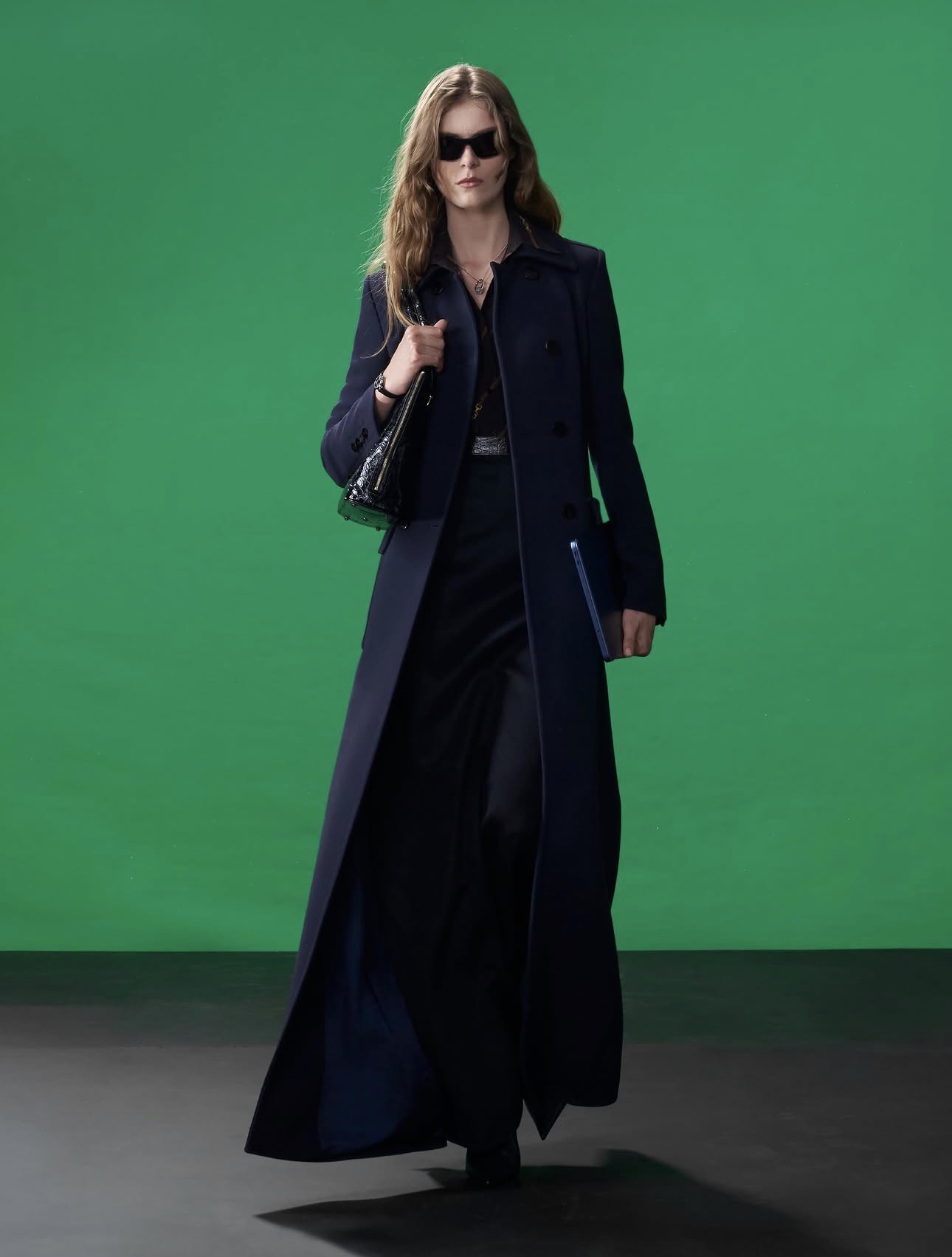
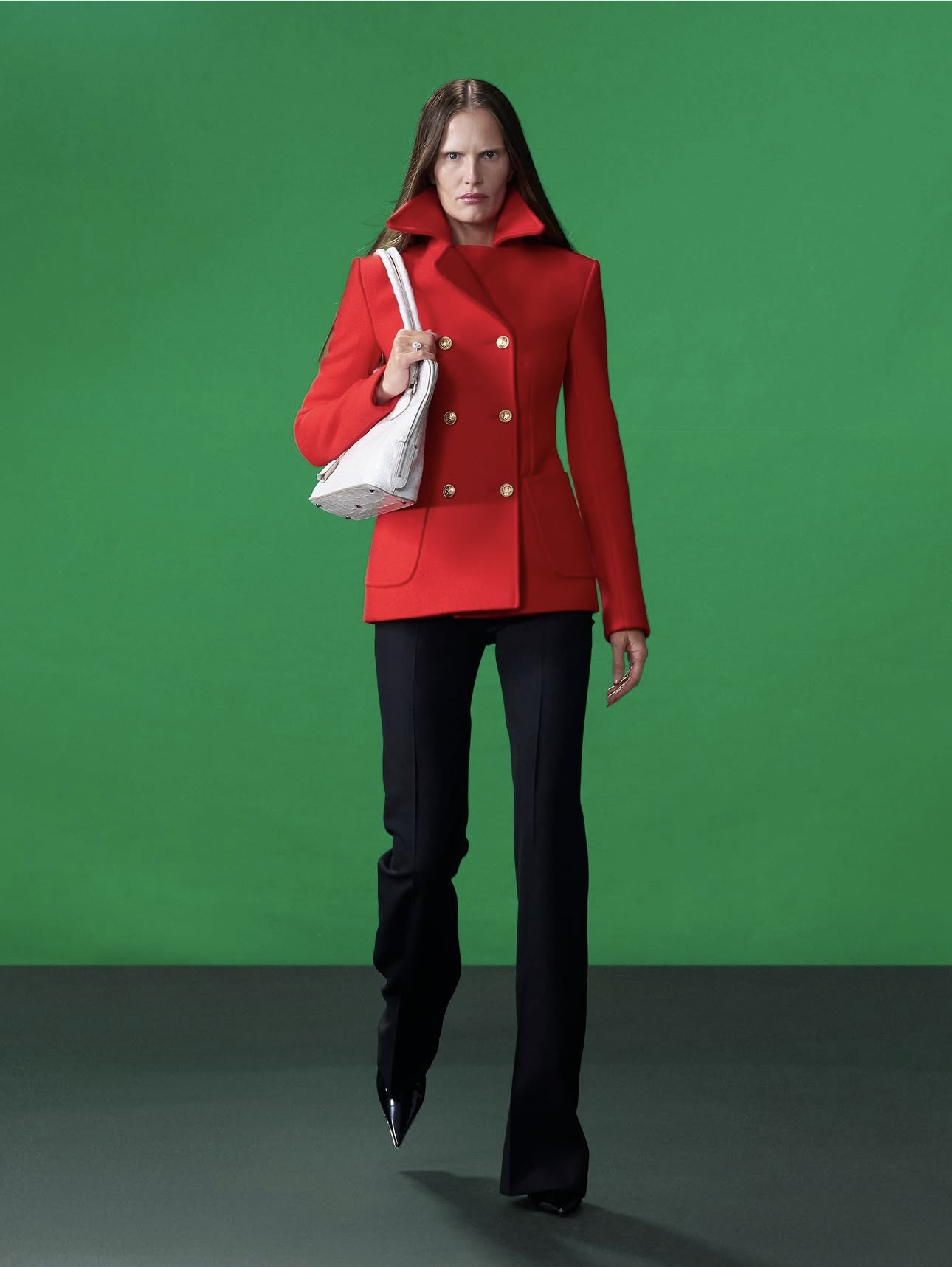
The designer himself explains his choice of New York not only because of the size of the American market. For Gucci, the city remains part of its own history. It was in the Big Apple in 1953 that the House's first boutique outside of Italy opened—the moment that marked the beginning of Gucci's transformation from a Florentine brand into a global phenomenon.
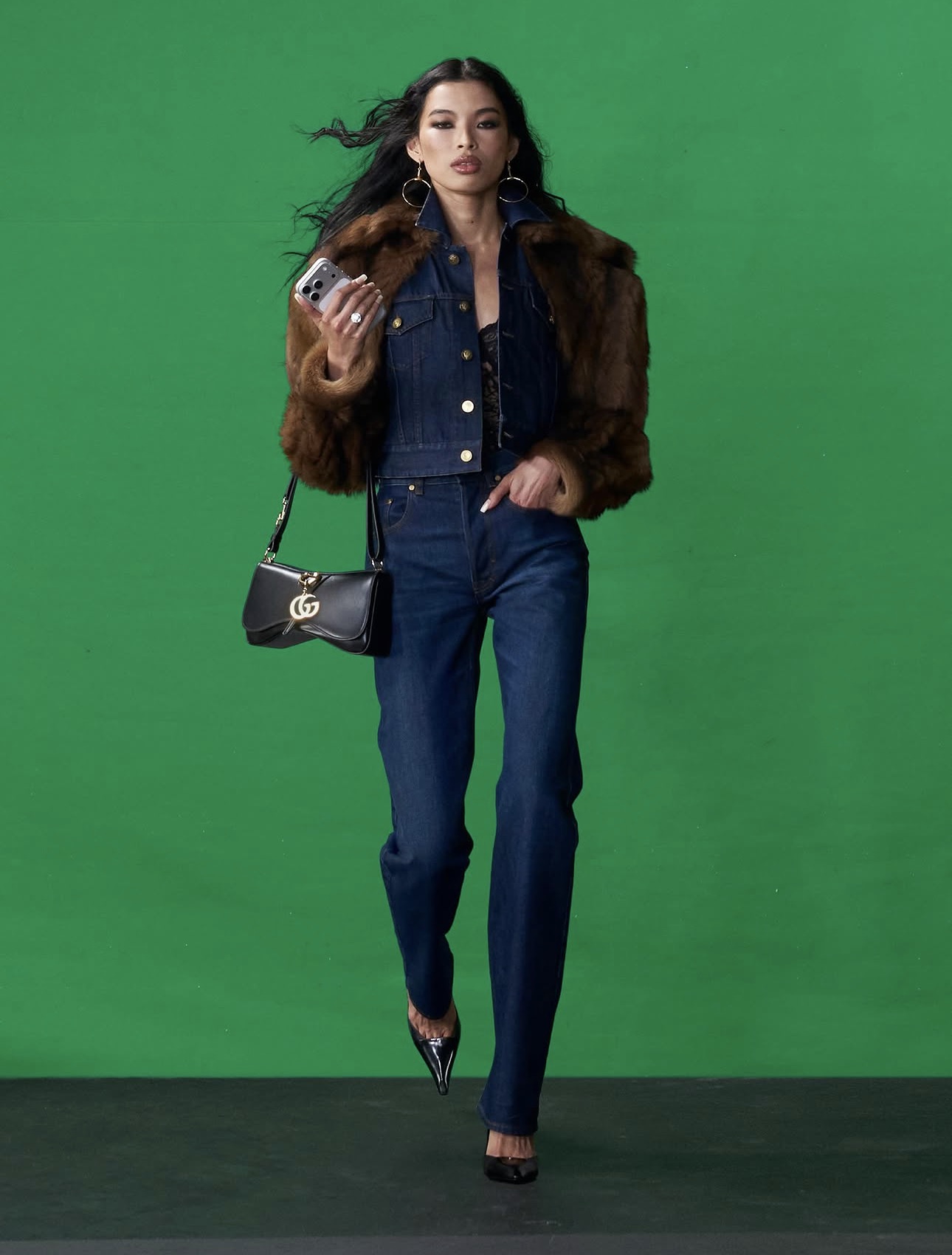
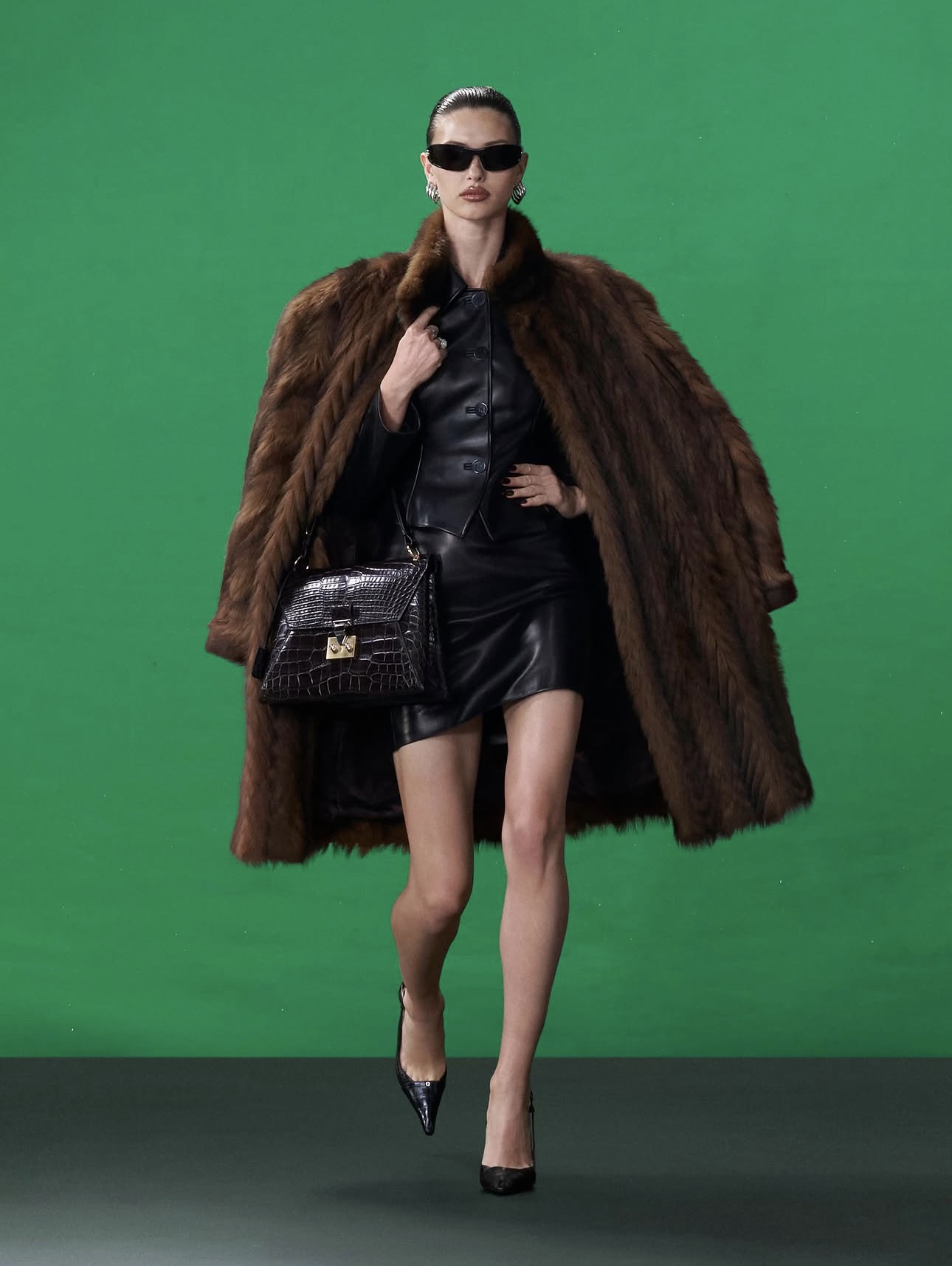
Demna chose Times Square, arguably the most congested and noisy spot in New York City, to show his debut cruise collection at Gucci. Locals simply loathe the place and try to avoid it. The fashion industry's leading provocateur and designer, rewriting notions of modern luxury, once again defies stereotypes and transforms Times Square into a magnet for the rich and famous. Every giant screen in the square was filled with Gucci ads, both real and fictional. Among the ads were Gucci Gym, Gucci Pets, Palazzo Gucci Hotel, and Gucci Life—ironic "products" of the future, with which the designer clearly plays with a critique of modern consumer culture. Demna himself later joked backstage that the brand hasn't yet gotten around to "Gucci GLP-1"—a weight-loss injection.
Before the screening, the billboards displayed a video collage featuring natural landscapes, scenes of human intimacy, and commercial inserts that deliberately interrupted this "beauty of the world." Demna explained that he wanted to highlight the contrast between information overload and the way advertising literally intrudes into everyday life: it's impossible to be alone, even for a second.
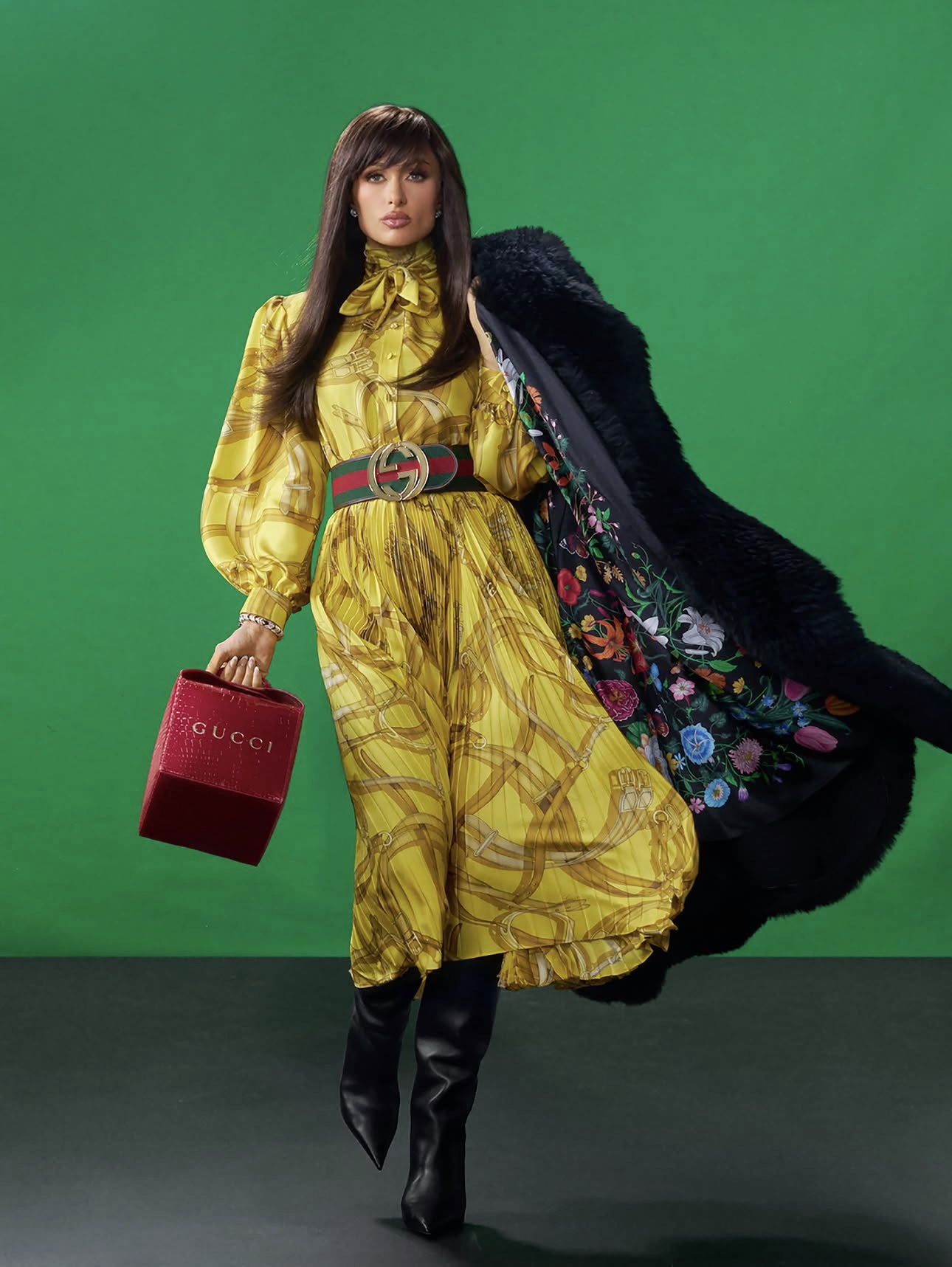
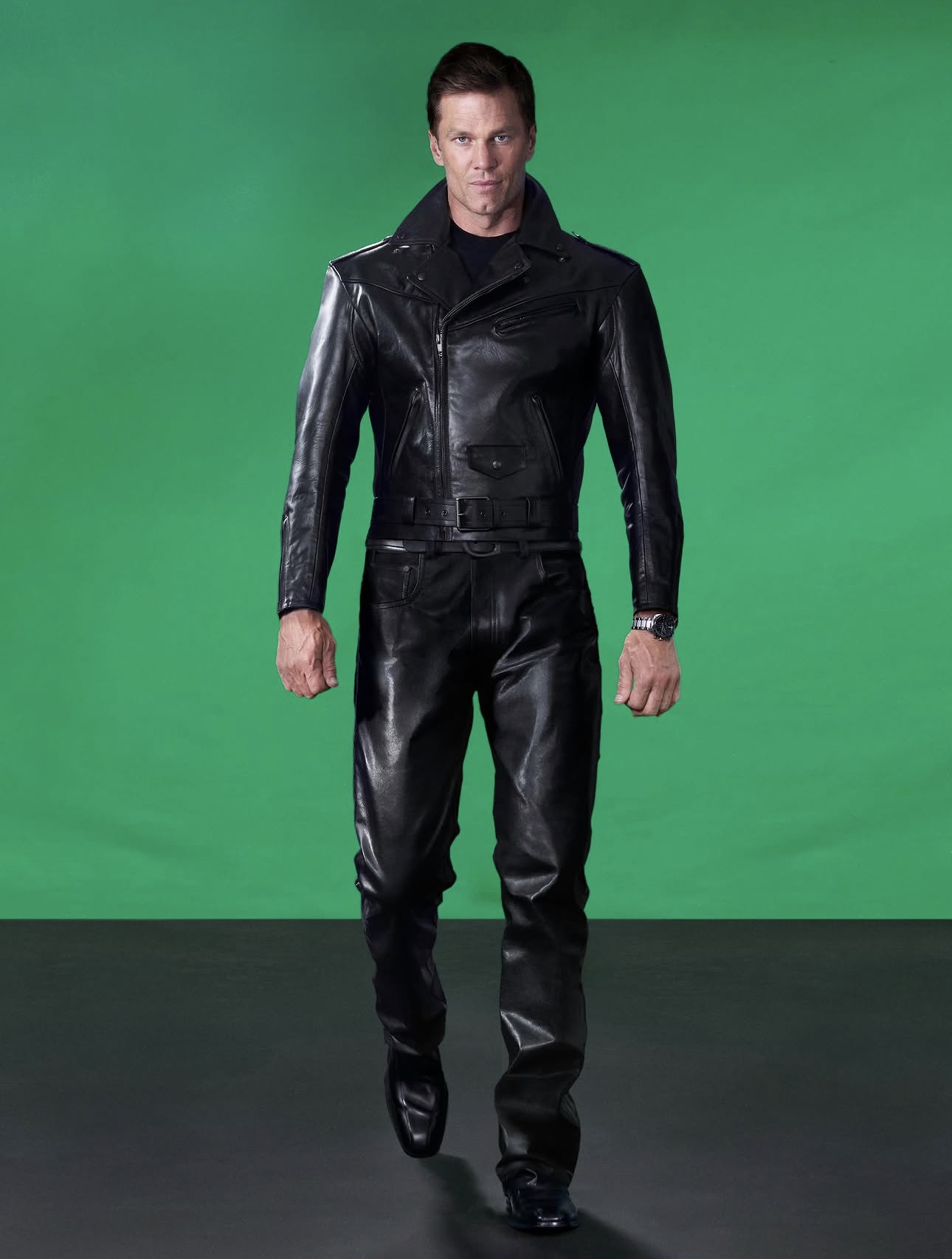
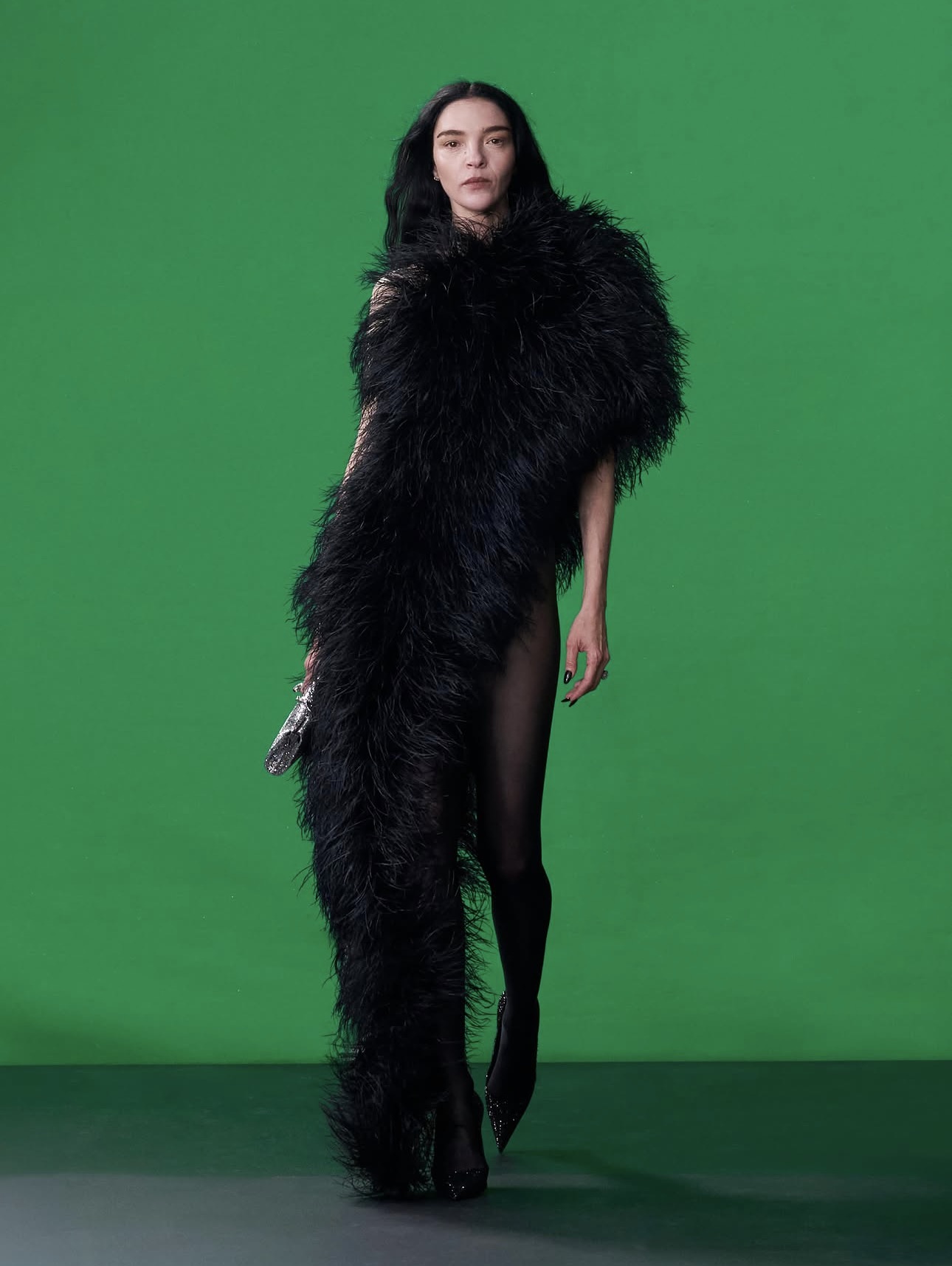
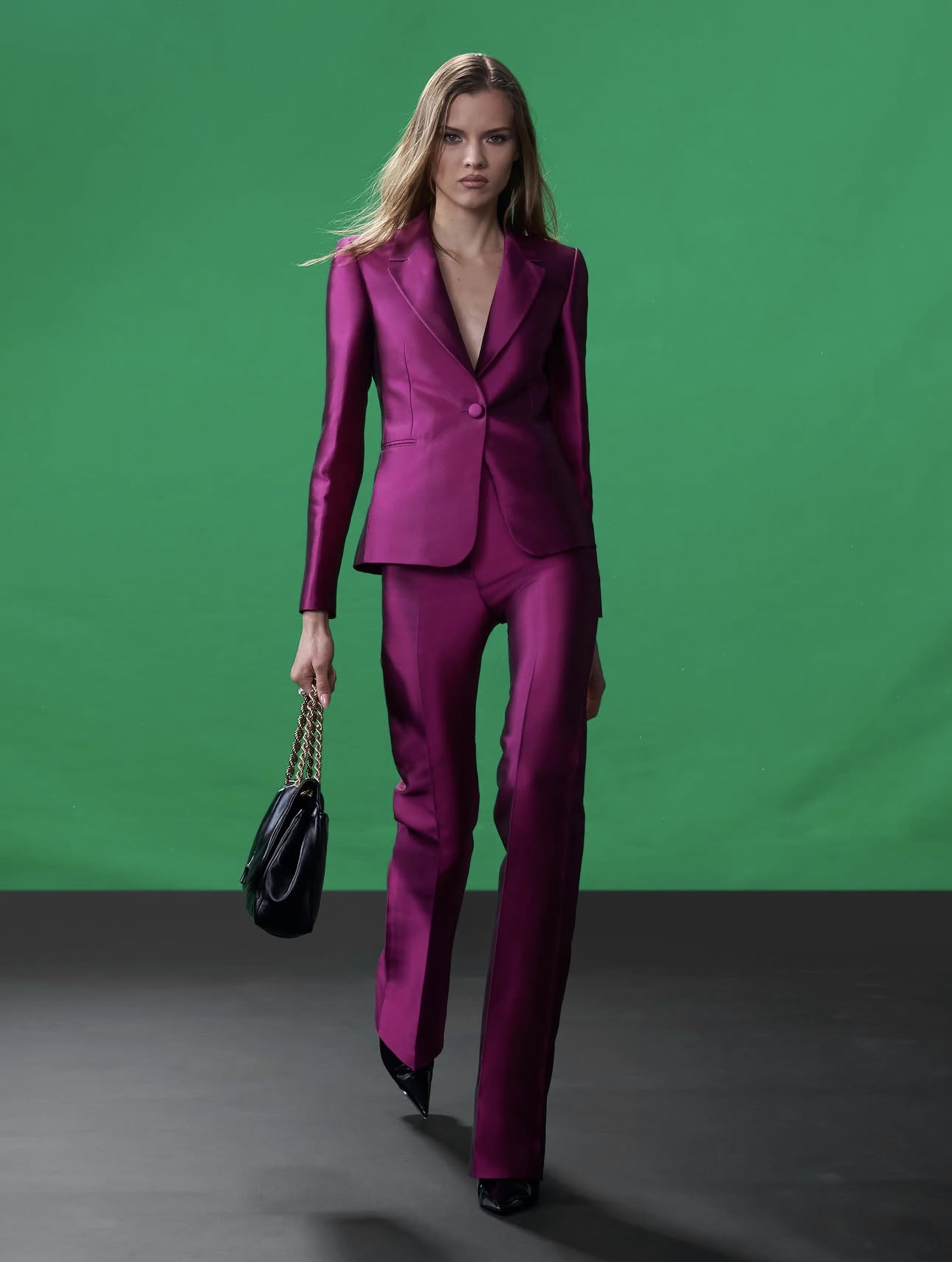
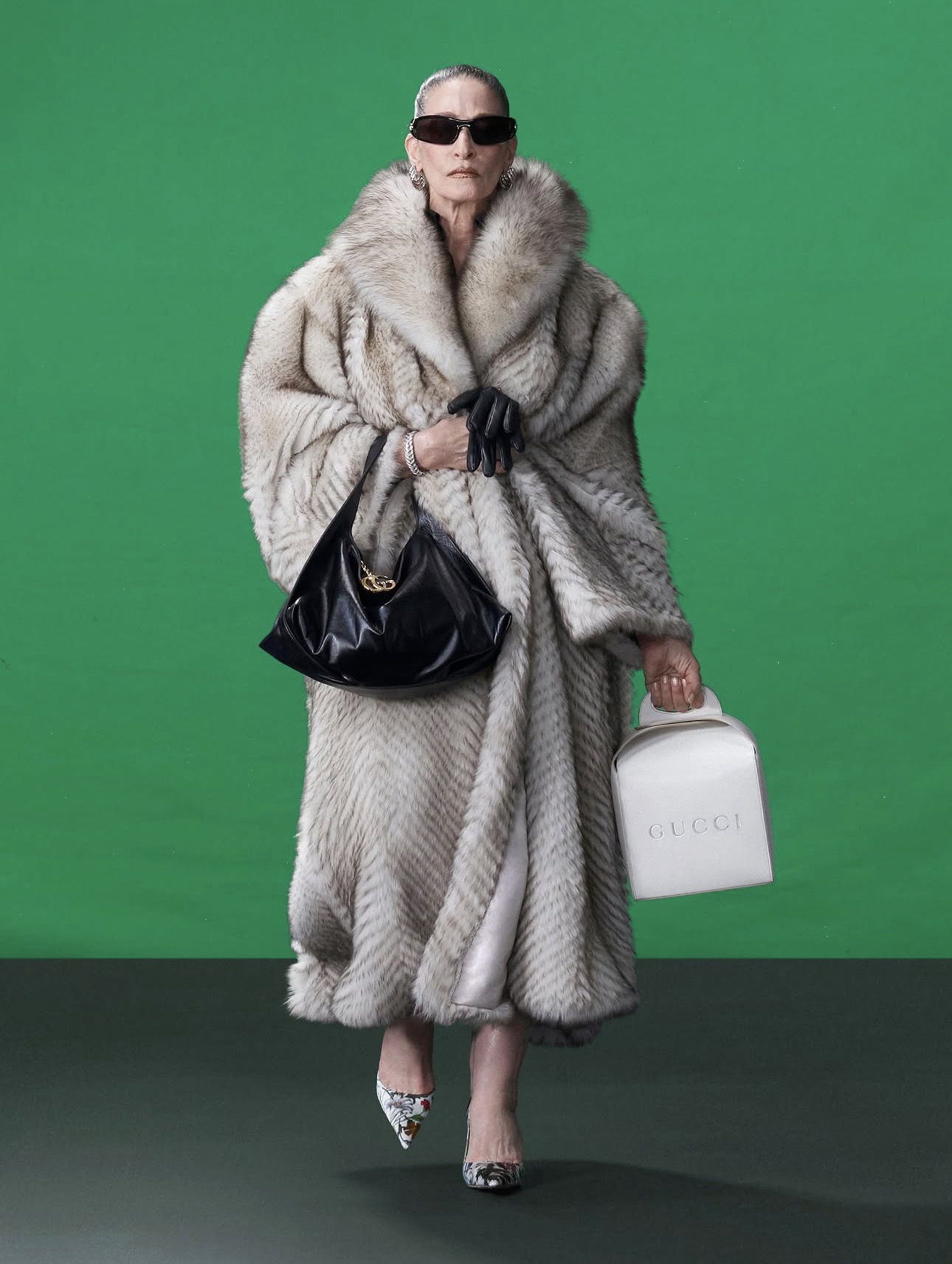
Against this bold and wild backdrop, the collection itself seemed surprisingly down-to-earth. Instead of the cruise line's usual fantasies of seaside resorts, yachts, and vacations, Gucci presented a basic urban wardrobe. Demna called this system GucciCore—a permanent line of essentials that should form a modern wardrobe.
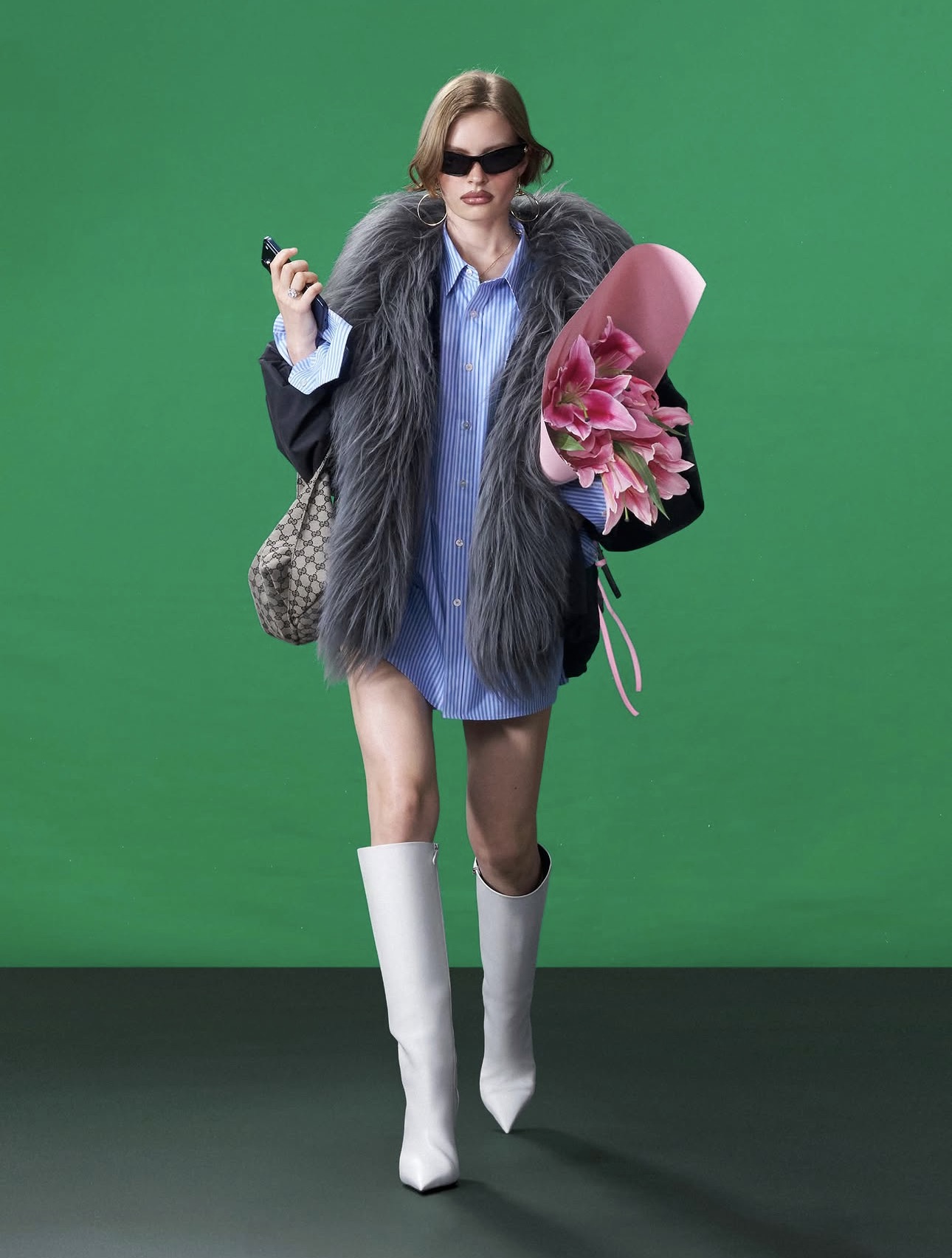
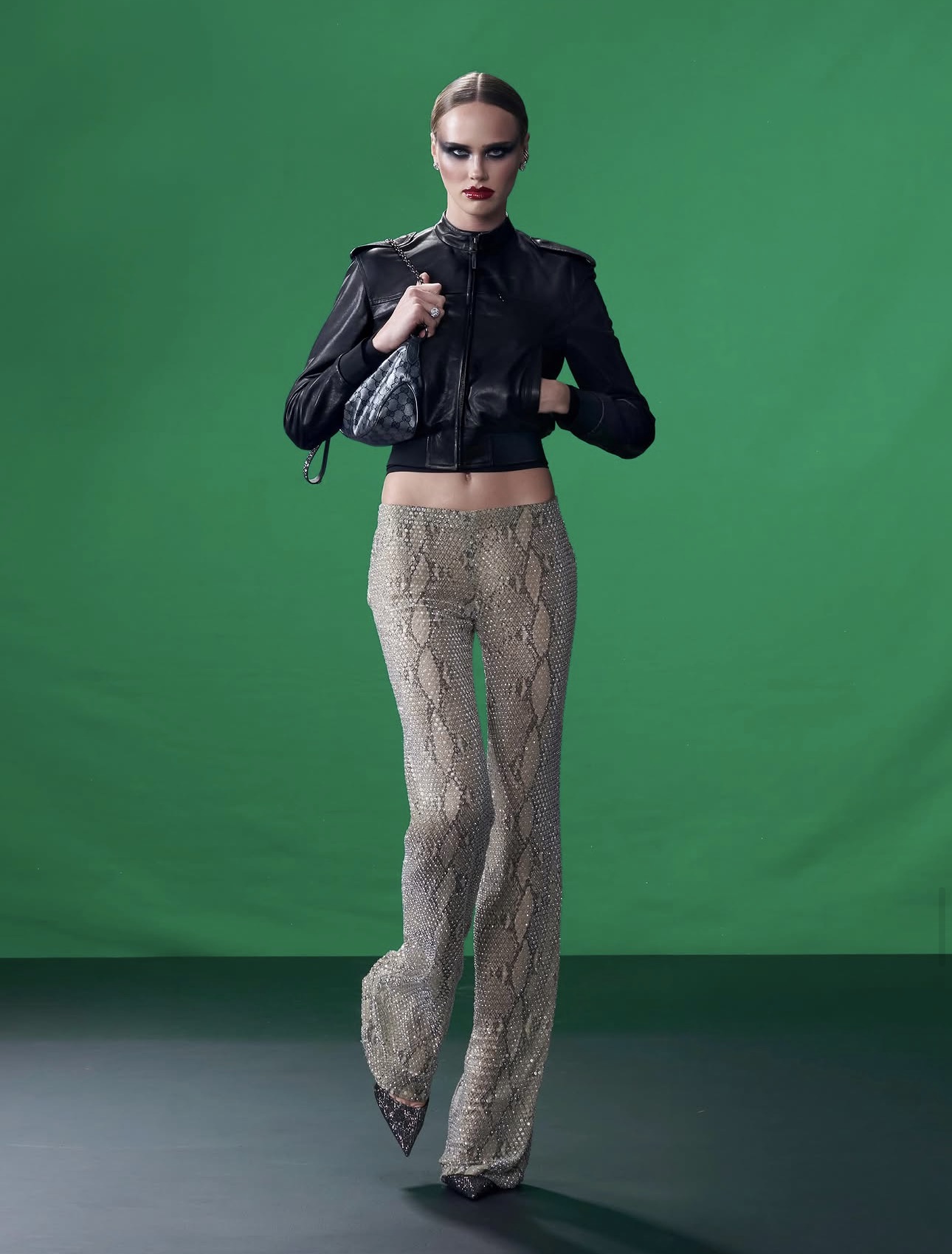
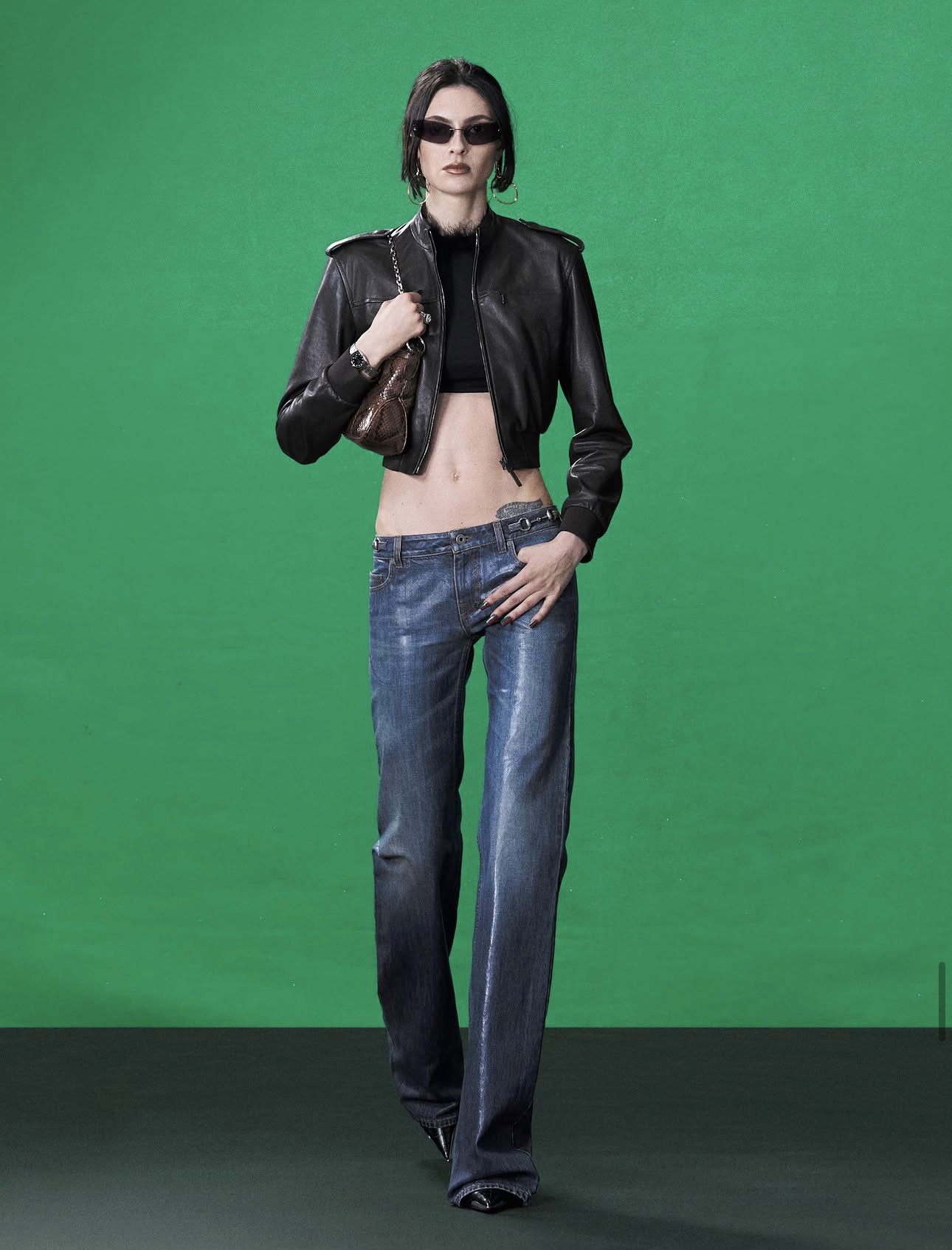
The designer himself said he wanted to show clothes worn by people you'd actually see on the streets of New York. Different pieces from different styles, intersecting like the city's streets. Long and cropped coats, tailored suits in the spirit of the "Wolves of Wall Street," super-skinny jackets with a nod to the 1990s, A-line skirts, office shirts, voluminous faux fur coats, and evening dresses with dramatic slits.
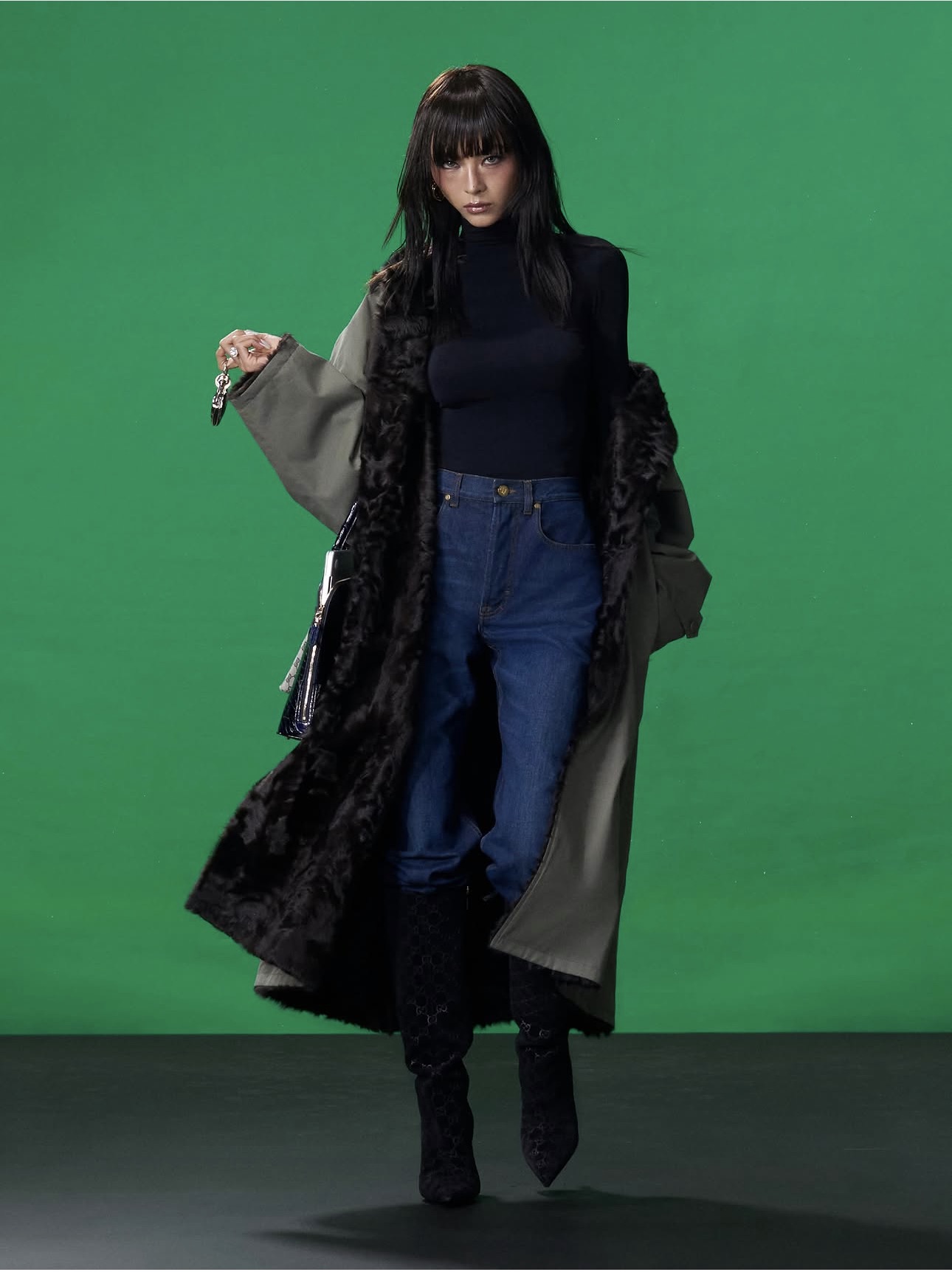
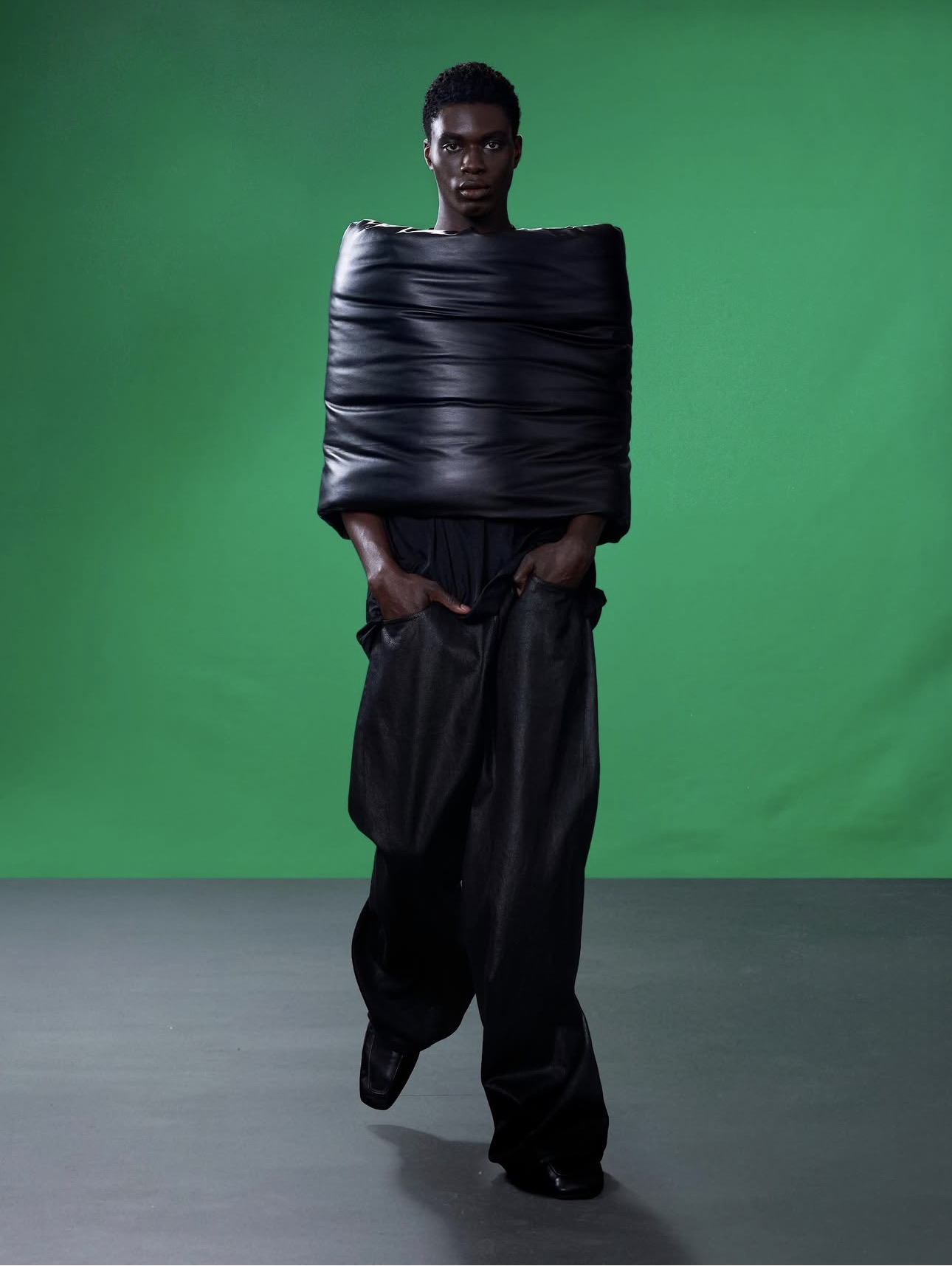
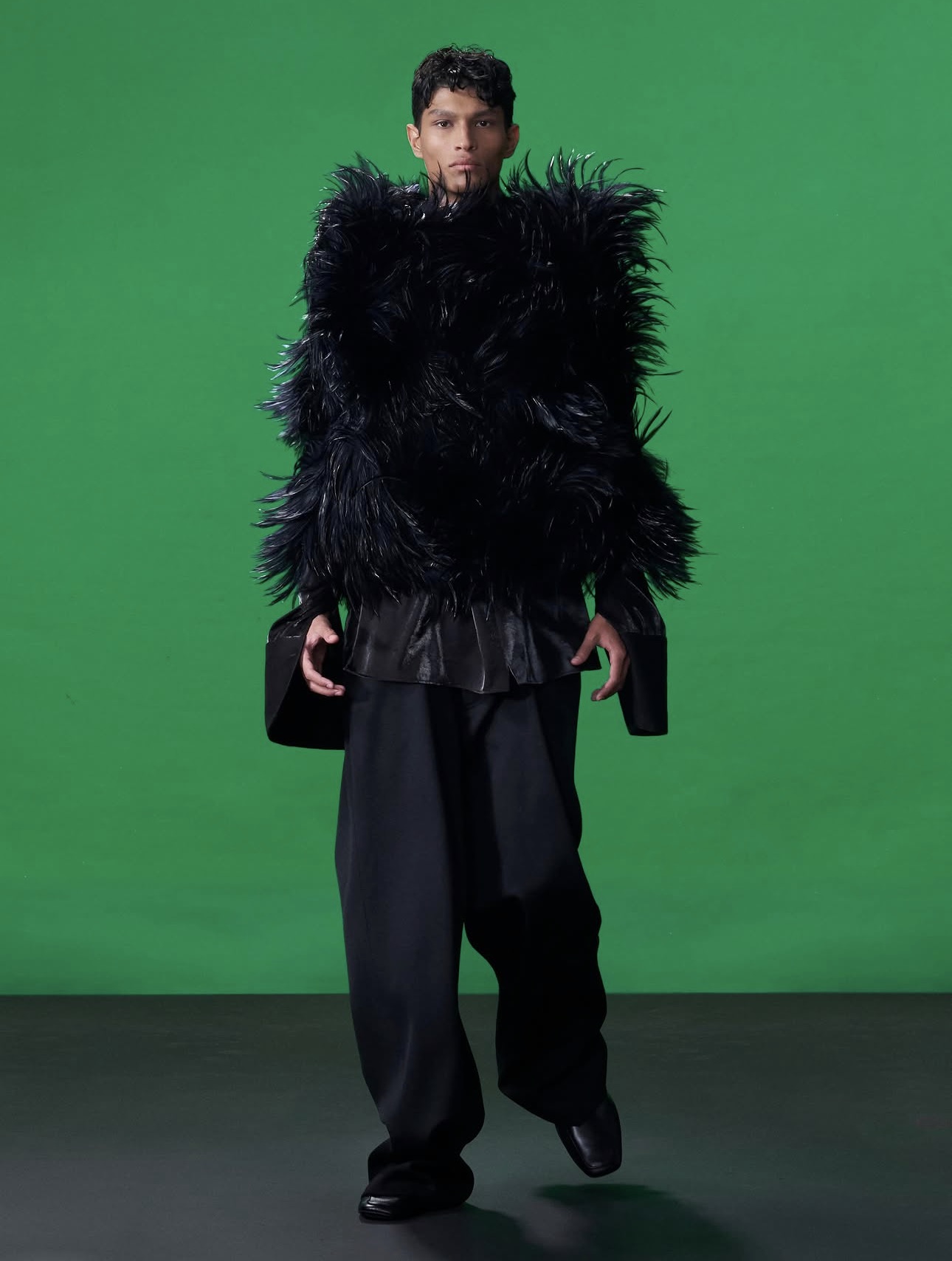
The collection also easily evoked the House's archival codes: the red-and-green Web stripe, horsebit motifs, and a distinctly Italian glamour that unexpectedly collided with the Manhattan aesthetic of the late 1980s and early 2000s.
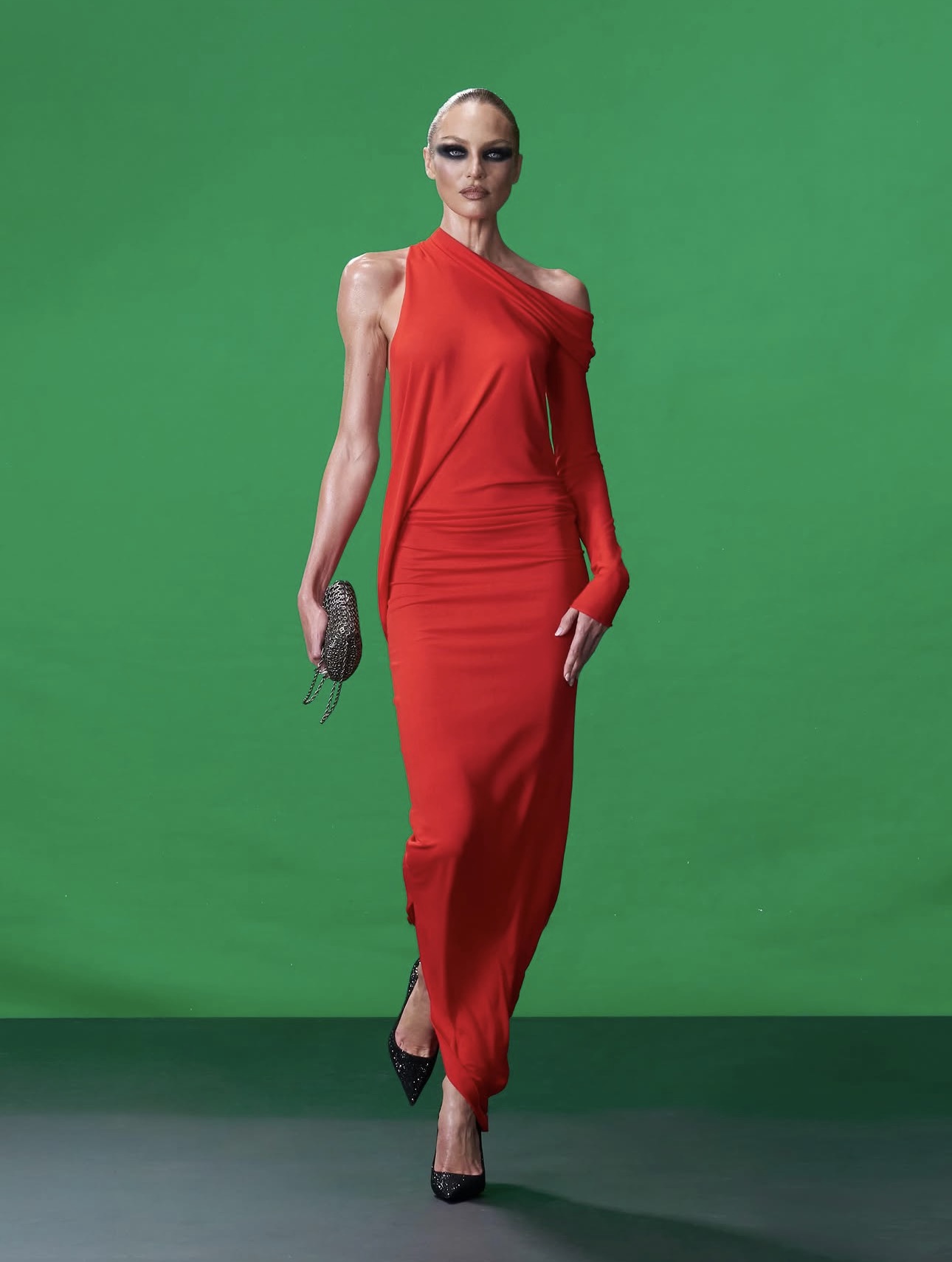
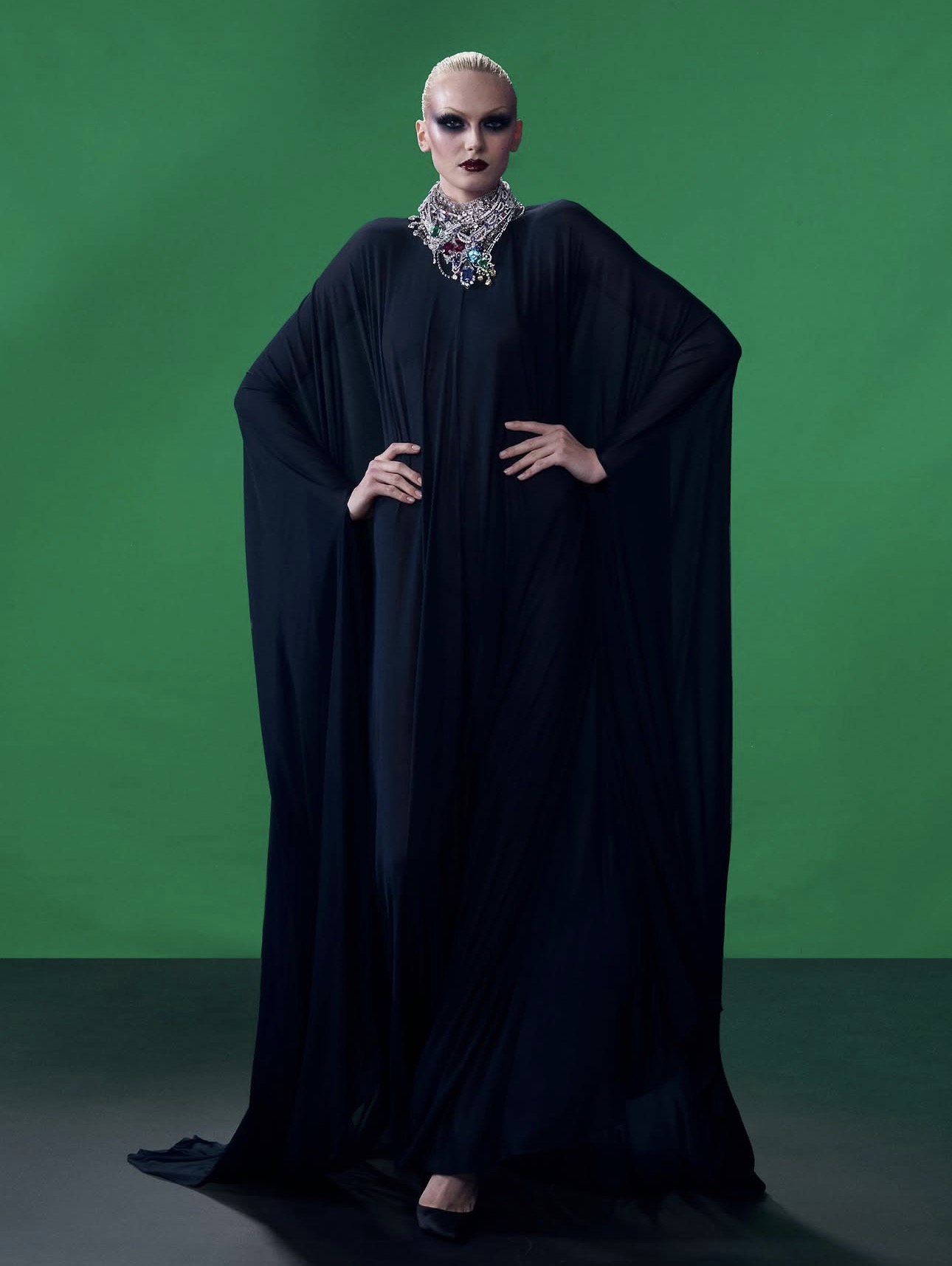
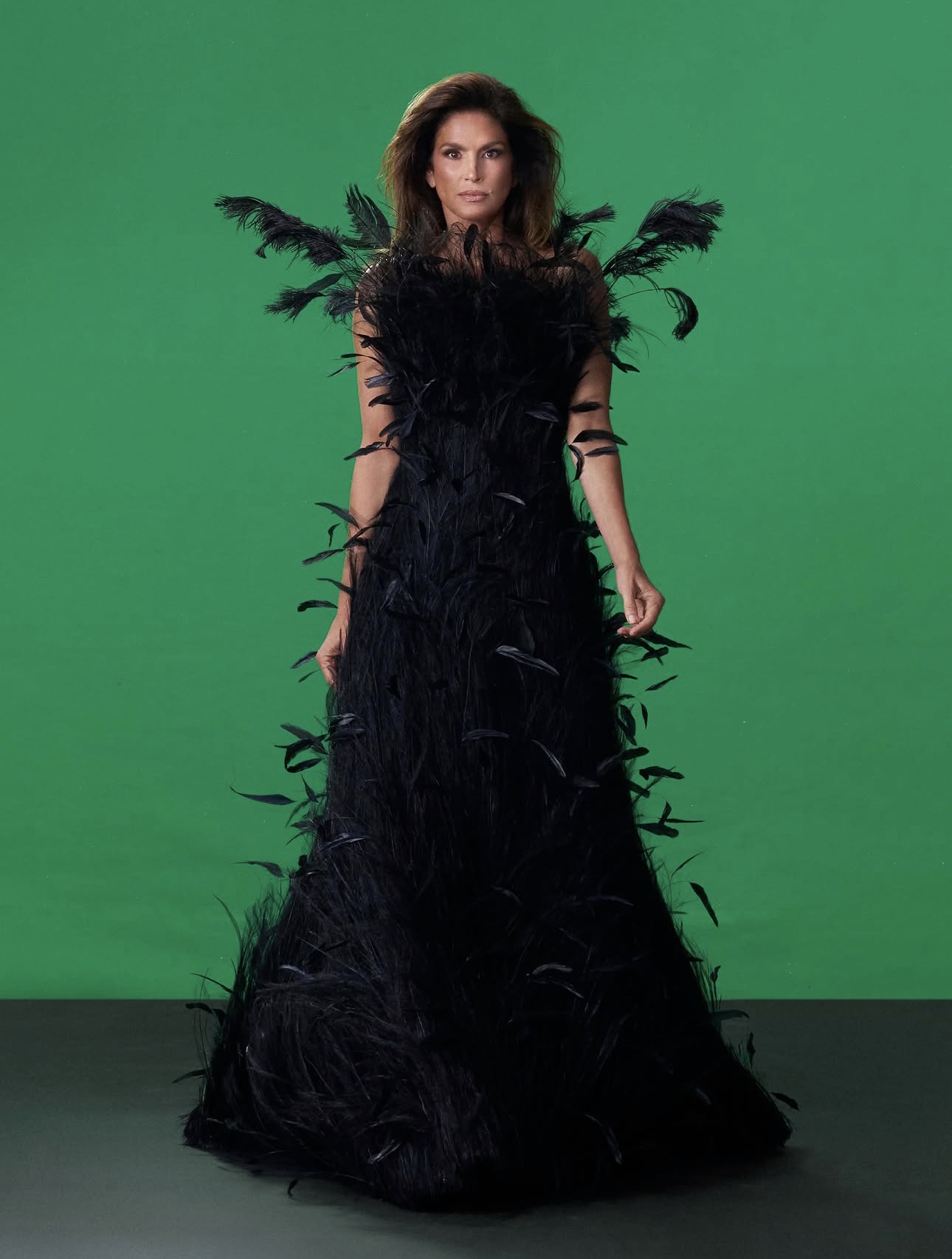
It's impossible to imagine New York without celebrities, who you can bump into on every corner. So, not only in the front row but also on the runway, there were stars in abundance: Paris Hilton, Tom Brady, Athena Calderone, Sofia Lamar, Mariacarla Boscono, Emily Ratajkowski, and the great supermodel Cindy Crawford, who closed the show in an evening gown with a feather train.
But the main character of the evening was still New York itself—noisy, touristy, overloaded with advertising and global ambitions. For Demna, who has always worked with an aesthetic of excess, this location proved the perfect setting.